Thinking like a historian
Primary vs. secondary sources
Primary sources come from the time being studied: letters, photographs, laws, diaries, artifacts. Secondary sources analyze primary sources afterward: textbooks, documentaries, history books.
Bias and corroboration
Every source has a point of view. Historians ask: who created this, why, and for what audience? Then they corroborate — check whether independent sources agree.
World history timeline
Key eras explained
The Agricultural Revolution (c. 10,000 BCE)
Humans shifted from hunting-gathering to farming and animal domestication. Surplus food let populations grow and allowed specialization — not everyone had to farm, so some became artisans, priests, and soldiers. Cities, writing, and states all trace back to this shift.
The Classical world (c. 800 BCE – 500 CE)
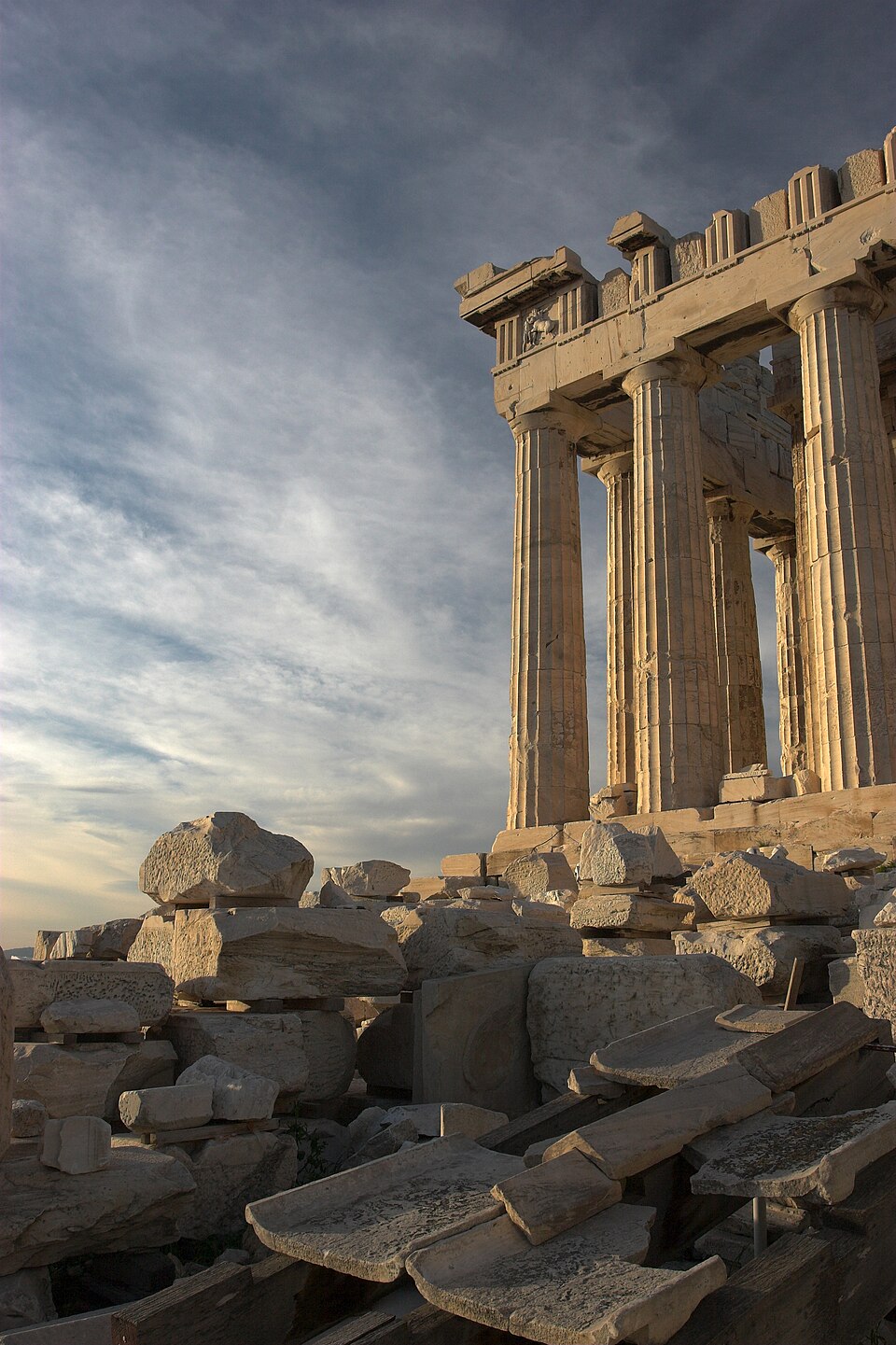
Greek city-states pioneered democracy and philosophy; Rome built an empire of roads, law, and engineering spanning three continents. In the same era: Confucius taught in China, the Maurya Empire unified much of India, and Mesoamerican civilizations built cities in the Americas.
The Renaissance & Scientific Revolution (1300–1700)
European scholars rediscovered classical Greek and Roman texts, sparking new art, science, and humanist thought. Then Copernicus, Galileo, and Newton replaced ancient authorities with observation and mathematics — establishing the scientific method as the way to test claims about the world.
The Industrial Revolution (c. 1760–1900)
Steam power, factories, and later electricity transformed economies from agricultural to industrial. Cities exploded, productivity soared — and so did pollution, child labor, and inequality, sparking labor movements and new political ideologies.
The World Wars (1914–1945)
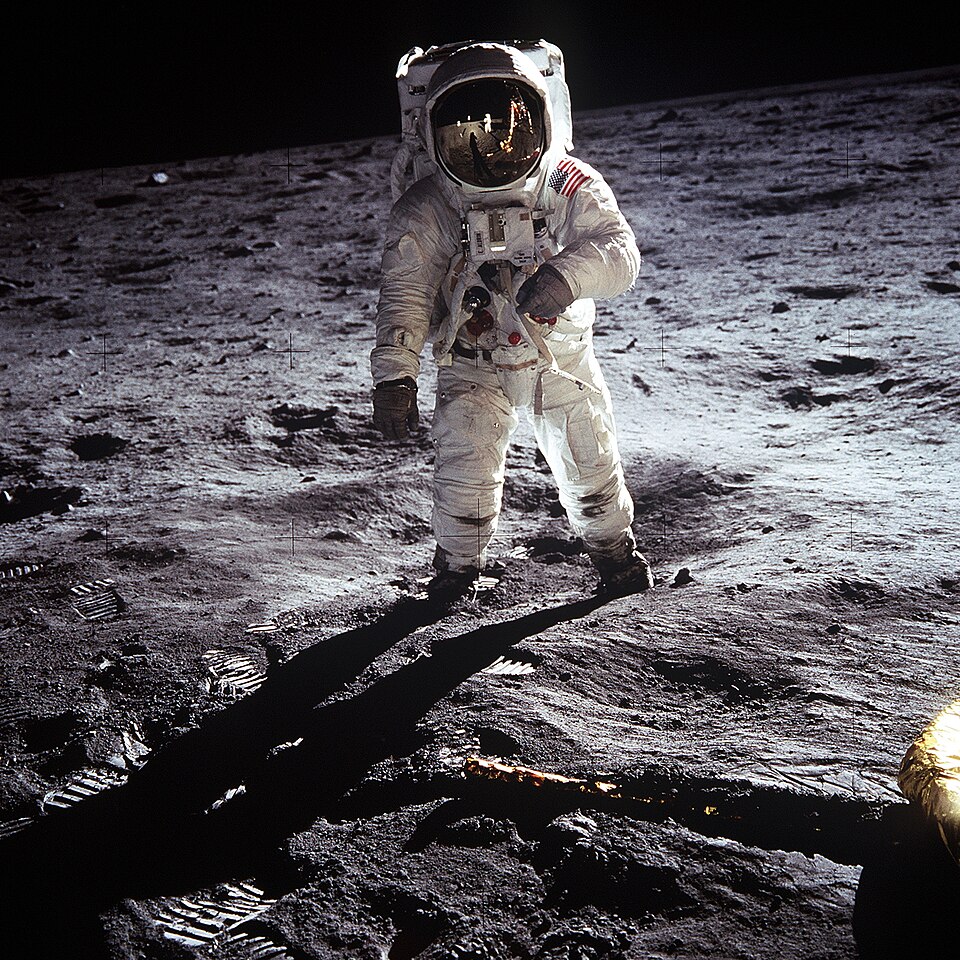
WWI destroyed empires and introduced industrial warfare; its punitive peace helped cause WWII. WWII killed an estimated 70–85 million people, introduced nuclear weapons, and ended with the UN's founding and the U.S. and USSR emerging as rival superpowers — the Cold War.
The Information Age (1991–present)
The Cold War ended as the Soviet Union dissolved. The public internet connected billions, reshaping commerce, communication, and politics — and raising new questions about privacy, misinformation, and power that we're still working out.